+

In stock *In Stock - Subject to stock availability at point of fulfilment. In the event whereby the item is out of stock or unable to provide the service, 1Outlets will cancel the order and issue a Full refund in-store credit to you. SKU : 16ddb519c469a2ca12c13658f07217c1
**Free Shipping Worldwide available - Shipping time may vary depending on the address.
**Circumstances Reroute - This is a time of great stress and uncertainty. We are actively validating, routing and re-routing orders with our overseas merchants, logistic partners and airlines. Deliveries and supply may expect delays.
**In Stock (Low Inventory Warning) - Subject to stock availability at point of fulfilment. In the event whereby the item is out of stock or unable to provide the service, 1Outlets will cancel the order and issue a Full refund in-store credit to you (See Refunds).
**Report or Request Removal - Any copyrighted, DMCA, inappropriate, offensive, prohibited, potentially Illegal Listings (Submit doc here).
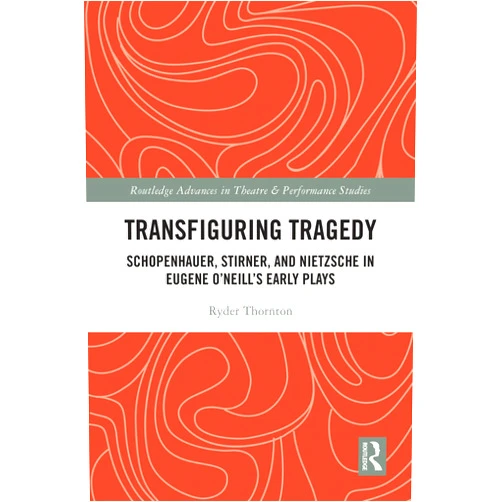
Ryder Thornton illuminates the profound philosophical depths woven into Eugene O'Neill’s early plays. Explore how the ideas of Schopenhauer, Stirner, and Nietzsche shape O'Neill's tragic visions. This scholarly work, part of the Routledge Advances in Theatre & Performance Studies series, unveils the powerful influence of these thinkers on O'Neill's dramatic art, transforming our understanding of his characters, themes, and theatrical techniques. Journey into a realm where tragedy isn't simply an end but a crucible for self-discovery and renewal.
Deep Dive into Philosophical Influences: Ryder Thornton meticulously examines how Schopenhauer, Stirner, and Nietzsche's philosophies impact O’Neill’s dramatic construction. It dissects the philosophies of each, revealing their subtle presence in O’Neill’s plays.
Comprehensive Textual Analysis: The book provides thorough textual analysis of O’Neill's early works, offering fresh perspectives on familiar plays. This involves careful examination of the text, identifying patterns, and drawing conclusions about their importance.
Exploration of Tragic Themes: The book explores the complex tragic themes of O'Neill's plays, such as suffering, alienation, and the search for meaning. Readers will find how the tragic themes have been portrayed, how these themes relate to each other, and how O’Neill's plays communicate these themes effectively.
Focus on Character Development: This book studies how the philosophical ideas discussed shape the characters in O'Neill's plays, impacting character arcs. Through this process, it examines how the characters are connected to the philosophical ideas and how they represent the conflict of ideas.
Integration of Theatre & Performance Studies: The analysis is firmly grounded in theatre and performance studies, offering insightful perspectives on the plays' theatrical potential. This focuses on providing perspectives that integrate the historical context and performance theory, providing a thorough analysis.
Enhanced Understanding of O'Neill: Gain a much richer understanding of O'Neill's plays, their depth, and their enduring power. It allows readers to appreciate the complexity of the plays and their philosophical underpinnings.
Improved Critical Thinking Skills: The book encourages critical thinking about literature, philosophy, and performance. It enables readers to think critically about the concepts, enhancing their overall comprehension.
Deeper Appreciation for Dramatic Art: Develop a stronger appreciation for the artistry of O'Neill and his ability to transform philosophical ideas into compelling theatre. Through this experience, readers will learn how to appreciate the dramatic work of O’Neill.
Stimulating Intellectual Curiosity: Spark new lines of thought and conversation about philosophy, theatre, and the human condition. The book encourages readers to explore new ideas and ask challenging questions.
Invaluable Resource for Scholars: Ryder Thornton's book provides valuable insight for students, academics, and theatre enthusiasts studying O’Neill and his work. It provides an enriched academic resource for those researching O’Neill's work.
Fresh Philosophical Perspective: The book offers a unique approach by examining O’Neill's plays through the lens of specific philosophical frameworks. This lens offers new and innovative perspectives on O’Neill’s work.
In-Depth Research and Analysis: It provides rigorous research and in-depth analysis, making it an authoritative source on the subject. Readers receive a detailed and meticulous review of the topic.
Clear and Accessible Writing Style: The book is written in a clear and accessible style, making it enjoyable and educational for a wide audience. The audience can easily understand complex ideas.
Focus on Early Plays: The book's specific focus on O'Neill's early plays allows for a thorough study of these foundational works. It allows for an in-depth understanding.
Connection to Modern Performance: The study connects the historical philosophical context to the contemporary theatre, providing relevance for both academic and modern theatre. This allows the study to be accessible and relevant to a wide audience.
Academic Research: Used as a key resource for students and academics researching O’Neill, philosophy, or theatre. It provides a foundation for more detailed and academic study.
Classroom Study: Used in university courses on drama, American literature, and philosophy. It allows for class discussion and analysis of important ideas and themes.
Theatre Production Planning: Used by theatre directors and actors to inform their interpretations of O'Neill's plays. It helps in developing an understanding of the plays that can be effectively conveyed through performance.
Personal Enrichment: Read by individuals seeking a deeper understanding of O'Neill's work and the philosophical concepts that inform it. It allows readers to develop their understanding.
Critical Essay Writing: Utilized by students to formulate essays or research papers about O'Neill and his works. It provides a framework for research and writing.
What are the key philosophical influences discussed in the book? The book focuses on the influence of Schopenhauer, Stirner, and Nietzsche on Eugene O’Neill's early plays.
Does the book require prior knowledge of philosophy? While some familiarity with philosophical concepts is helpful, the book is written to be accessible to readers with varying levels of background.
How does the book connect philosophical ideas to the plays? The book provides detailed textual analyses, demonstrating how philosophical ideas are expressed through characters, themes, and dramatic structures in O'Neill’s plays.
Who is the target audience for this book? The book is geared toward students, academics, theatre enthusiasts, and anyone interested in delving deeper into O'Neill's work and the philosophical themes that inform it.
What makes this book unique in its approach to O'Neill's work? Ryder Thornton's book offers a fresh perspective by examining O’Neill's plays through the specific lens of Schopenhauer, Stirner, and Nietzsche's philosophies. This brings a unique and focused analysis.
Dive into the captivating world of O'Neill, where tragedy and thought intertwine! Let Ryder Thornton be your guide, as you decode the brilliance of his dramatic universe, and experience the transformative power of these plays!
(Beta: User Generated 2024.0007)